


Connect & Transform
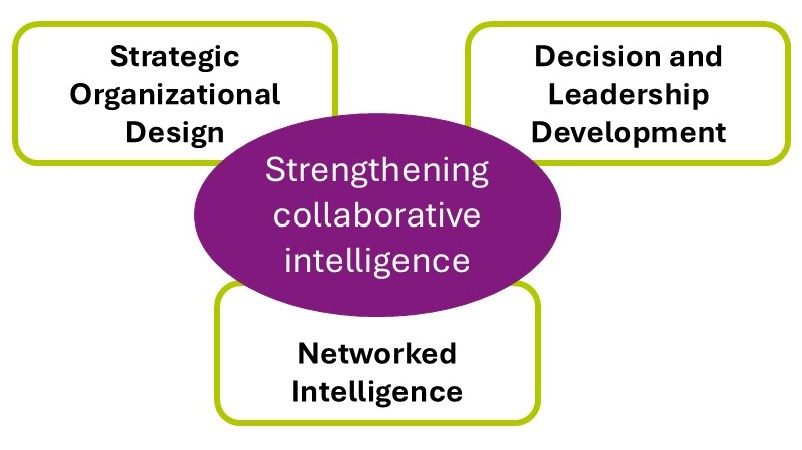
Connect & Transform focuses on
- Strategic Organizational Design: Shaping organizational structures, strategies, and operating models for optimal performance.
- Decision and Leadership Development: Optimizing decision-making processes, coordination, and developing leadership capabilities.
- Networked Intelligence: Fostering multi-layered collaboration and building powerful alliances with diverse stakeholders.
We are firmly committed to
- Long-Term Value Creation and Resilience: We drive profitable growth that contributes to ecological and social well-being, enhancing long-term resilience.
- Operational Excellence and Adaptability: Streamlining processes and enhancing responsiveness to market changes through aligned operating models.
- Empowered Ownership and Development: Designing environments that cultivate ownership and facilitate continuous growth.
Our interventions are based on
- Proven Expertise: Leveraging a long history of successful interventions across diverse sectors and growth phases.
- Systems Thinking and Humane Principles: We employ a holistic approach based on systems thinking and humane principles to understand and address complex sustainability challenges.
- Iterative and Adaptive Design: Employing a collaborative and iterative approach to ensure continuous improvement and responsiveness to technological advancements.
Programs & Perspective-Shifting Dialogues
The Dynamic Collaboration Deep Immersion Program
A focused approach to transformative organizational growth lies at the heart of the Dynamic Collaboration Deep Immersion Program. The program empowers participants to achieve optimal performance through strategic organizational design (module 2), shaping structures, strategies, and operating models for maximum impact. Simultaneously, we develop decision-making capability (module 1), optimize decision-making processes, enhance coordination, and build robust leadership thinking capabilities. We drive team alignment and transformation (module 3), enabling organizations to create cohesive, high-performing teams and foster a culture of collaborative change that drives sustainable success.
Furthermore, we introduce a crucial fourth module: Regenerative Growth Development (module 4). This module focuses on designing and implementing strategies beyond traditional sustainability, fostering regenerative growth through positive impact and long-term value creation. We guide organizations in aligning with ecological and social ecosystems, implementing circular economy principles, and optimizing resource utilization to create resilient and sustainable operations.
This comprehensive program equips leaders with the tools and insights to navigate complex challenges and build organizations that thrive harmoniously with their environment and communities.
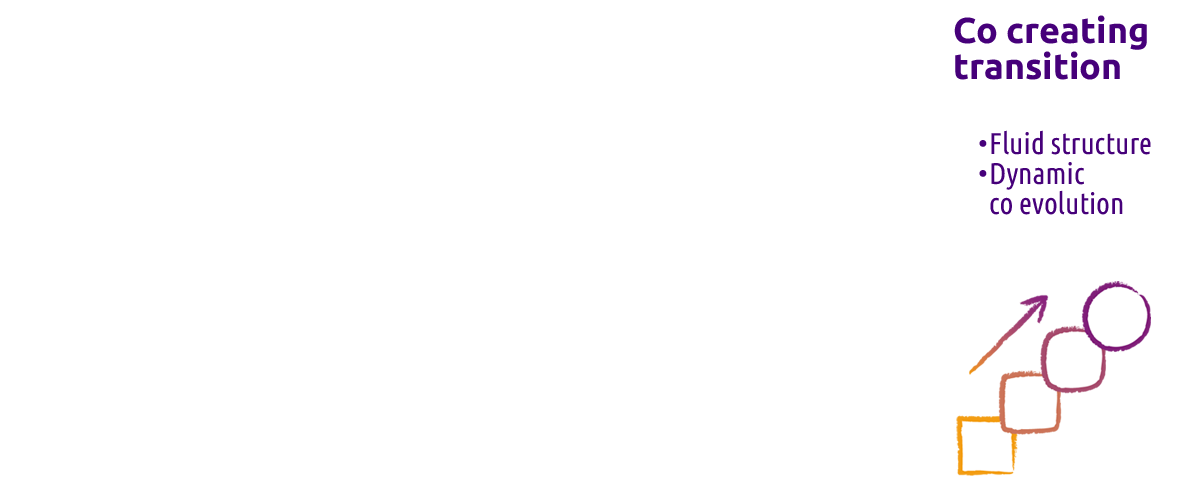
Co creating transition
Connect & Transform co-creates the desired transition by
- Structured Transition Through Enhanced Coordination: We design and implement optimized work structures to facilitate smooth and effective transitions.
- Dialogue-Driven Transformation: We create and cultivate interconnected spaces for dialogue, focusing on improving meeting practices, developing shared perspectives, achieving coherent action, fostering autonomy and ownership, and enabling continuous development.
- Strategic Emergence and Reinforcement: We identify and map zones of proximal development, leverage positively reinforcing dynamics, and embed emerging best practices.
We focus on
- Accelerated and Aligned Transition Processes: We deliver transitions that are efficient and profoundly aligned with organizational goals.
- Sustainable and Evolving Practices: We embed emerging practices, ensuring that transitions lead to lasting improvements and ongoing development.
Strengthening strategy execution
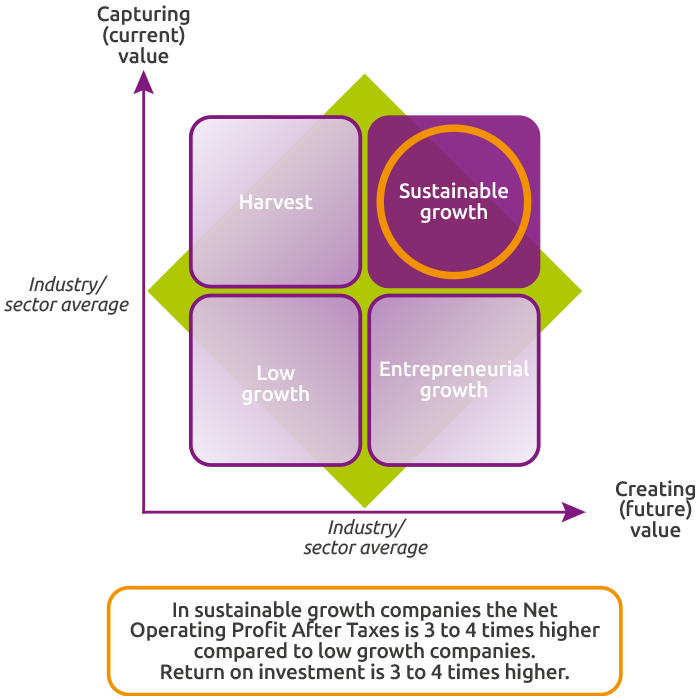
Connect & Transform supports boards of directors in assessing the quality of strategy execution.
Through a Strategy Implementation Audit, we provide actionable insights into the capabilities of steering teams to achieve strategic objectives.
Our methodology considers environmental, organizational, and human capital factors and focuses on
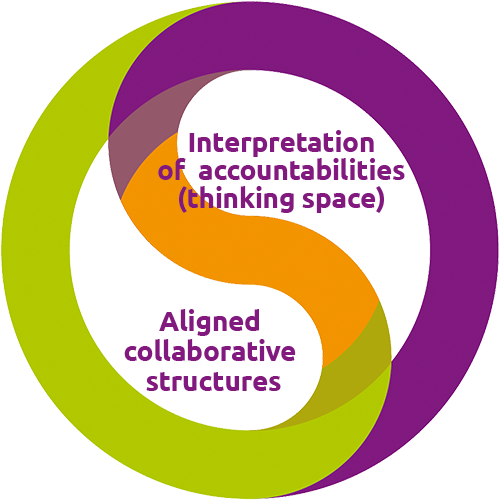
- How leaders interpret environmental developments and translate their insights into the business and operational models.
- The projected evolution of accountabilities.
- Adapting human capital practices to realize the desired economic growth.
We align strategy execution with proven patterns observed in sustainably growing companies.
Aligned Collaboration
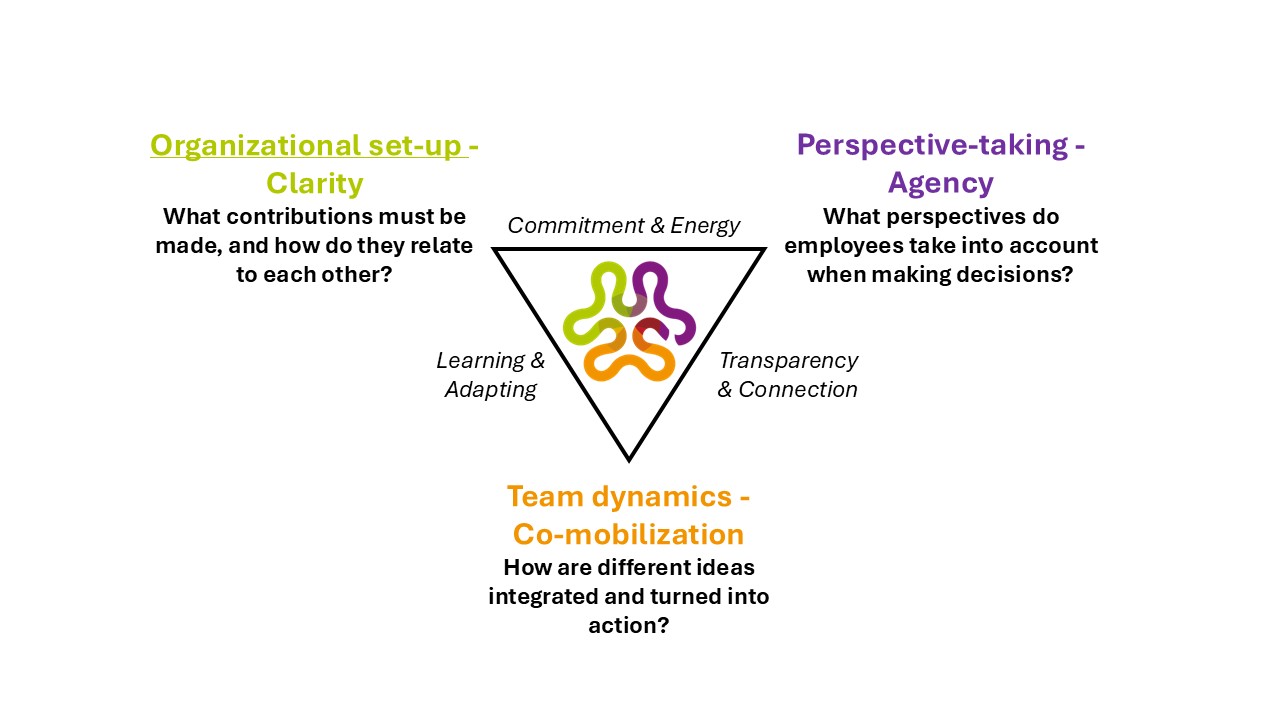
The Dynamic Collaboration approach addresses widespread disengagement and team inefficiency by providing data-driven tools for targeted interventions. It fosters a more aligned and mutually strengthening work environment by:
- Measuring and visualizing collaboration quality: Analyzing organizational setup, individual decision-making, and idea integration.
- Clarifying roles and responsibilities: Enhancing accountability and streamlining teamwork.
- Mapping employee development and idea contribution: Optimizing individual and collective potential.
The methodology delivers actionable insights to improve value creation, transforming disengaged workforces into high-performing, aligned teams.
Publications and Thought Leadership
Jan De Visch, Managing Director of Connect & Transform and Executive Professor at Flanders Business School (KU Leuven), translates academic rigor into practical solutions for complex organizational issues.
Through his articles and book publications, he bridges the gap between theory and practice, showcasing how complexity-informed interventions, coupled with insights into human evolution, can drive tangible results and empower organizations to thrive in dynamic environments.
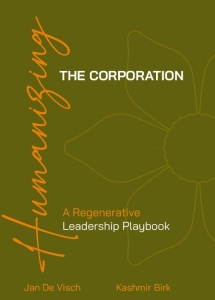
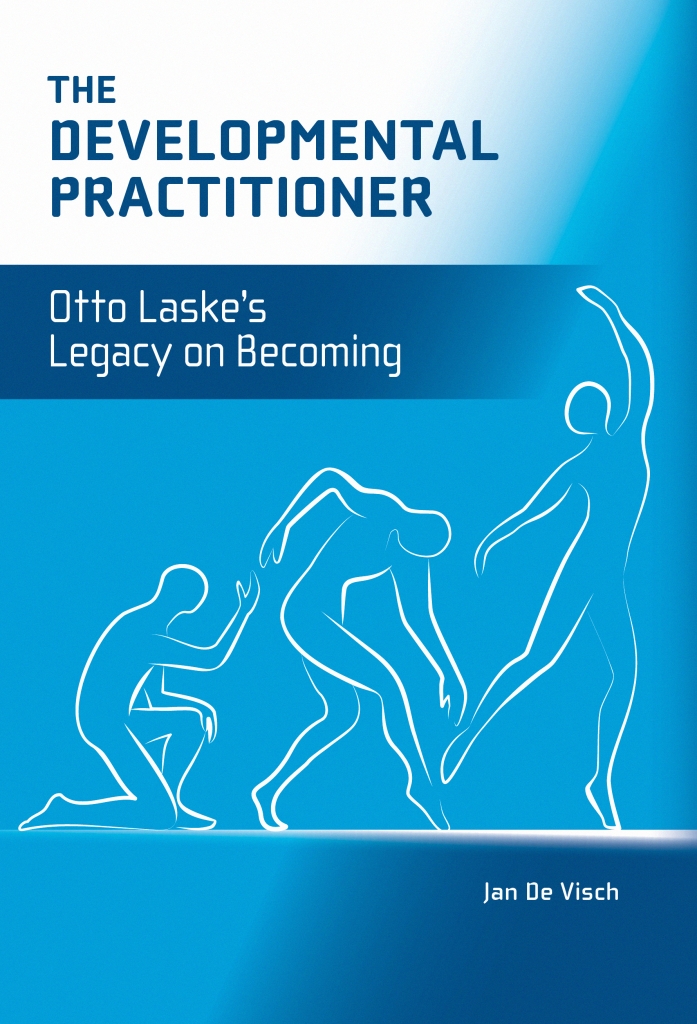
Below is a short synthesis of the publications that can be ordered. Click on the covers for more background information.

Follow Jan De Visch on LinkedIn and be inspired by his regular, inspiring posts.
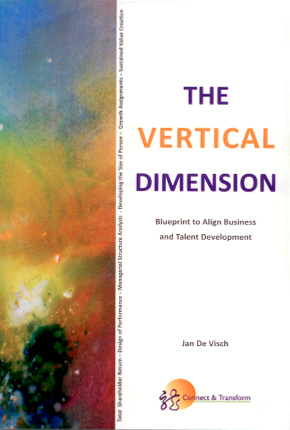
This book presents a “Levels of Accountability” framework, progressing from fundamental operational tasks to deep societal engagement and a unified human vision. Achieving mastery across these levels enables organizations to effectively synchronize daily operations with strategic alliances, ultimately transforming collaboration from a discretionary skill to a critical strategic imperative.
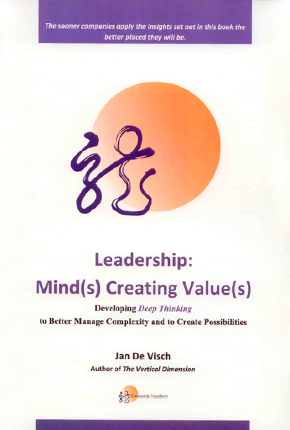
This book explores the power of deep, meta-level thinking to navigate complexity and generate new possibilities. It demonstrates how leaders, by conceptualizing situations beyond surface-level narratives, actively shape reality. This process involves creating new meaning, defining boundaries of relevance, and ultimately improving decision-making quality. The book reveals that even in facilitation, leaders are influential architects of shared realities.
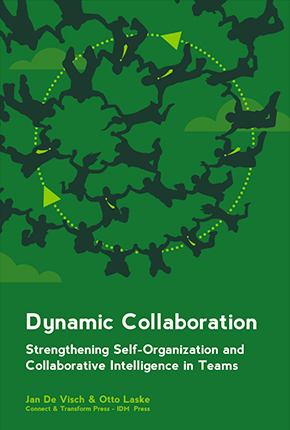
This book provides a comprehensive, evidence-based tools and procedures that help making the leap to self organizing teams, creating real collaborative intelligence by significantly increasing the quality of dialogue and decision making.
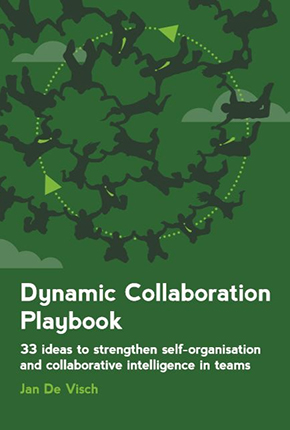
This is a hands-on, state-of-the-art collection of highly practical, complementary tools for collaborative intelligence and self-management.
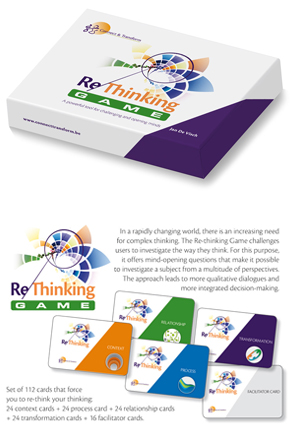
A toolkit for better decision making by looking at problems and challenges in a more holistic and integrative way.
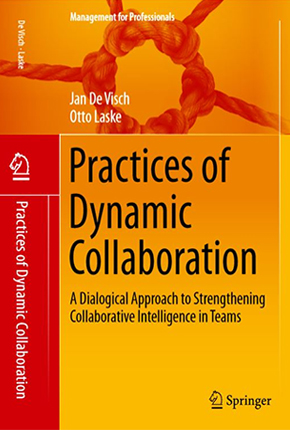
This book provides managers and team leaders with tools for boosting the quality of team dialogue for the sake of strengthening role ownership and creating collaborative intelligence throughout an organization.
Geen samenwerken zonder samendenken laat je op een andere manier kijken naar betrokkenheid van medewerkers, het bereiken van flow in project- en programmawerking, en de effectieve vertaling van strategie naar operationele excellentie. Het verandert je gezichtspunt rond het samenwerken in teams.
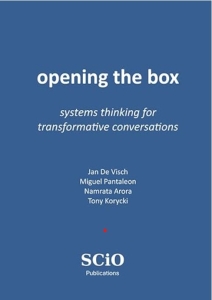
This book uses dialogue to introduce systems thinking. It explores four layers to understand complex situations beyond surface-level narratives. It teaches how to see interconnectedness and move beyond mechanistic and short-term thinking. It serves as background material for senior leadership development programs.
Our clients
They share the search to better respond to the rapid changes in their environment.
Contact us
Automatic form
Connect & Transform
Koningin Astridlaan 144
2800 Mechelen
Tel +32 478 31 24 24
jan@connecttransform.be